
Overview
The U.S. Prepaid SIM Landscape: How the Market Is Structured
National carriers, prepaid brands, and MVNOs — how U.S. mobile retail is organized and what a SIM actually connects you to.
United States · Prepaid SIM reference
Editorial descriptions of how SIM and eSIM service works across the United States — physical card types, MVNO networks, band compatibility, and activation steps — without sales pressure.
Descriptions of prepaid service structure, physical and eSIM formats, network compatibility, and activation — for readers who want neutral context.
National carriers, prepaid brands, and MVNOs — how U.S. mobile retail is organized and what a SIM actually connects you to.
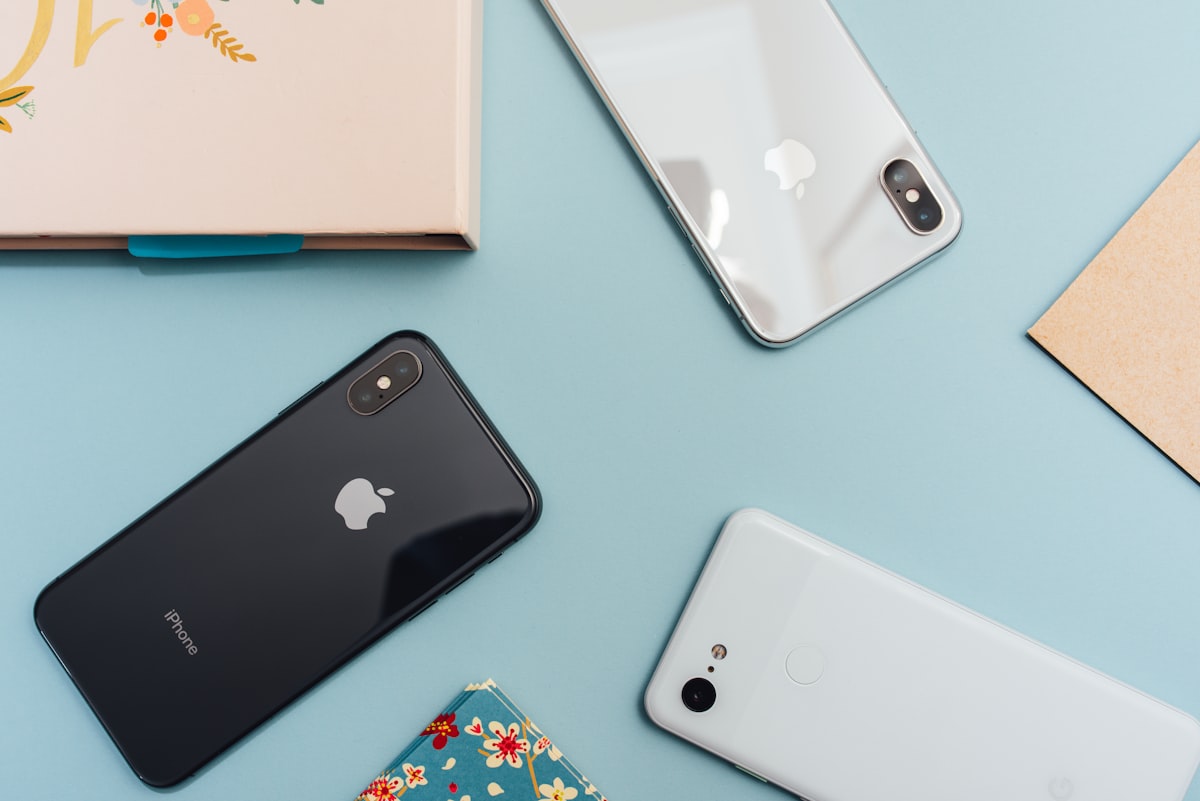
How SIM card sizes evolved, what nano-SIM means for modern phones, and why punch-out frames still ship in kits.

How embedded SIM profiles work on U.S. networks, what QR codes do, and when eSIM replaces a plastic card.

Mobile virtual network operators wholesale host-network access — how that affects coverage descriptions and device requirements.

How billing models differ, what prepaid SIM kits imply, and why credit checks rarely apply to prepaid activation.

LTE and 5G bands, VoLTE requirements, and why an unlocked phone still needs the right radio support.
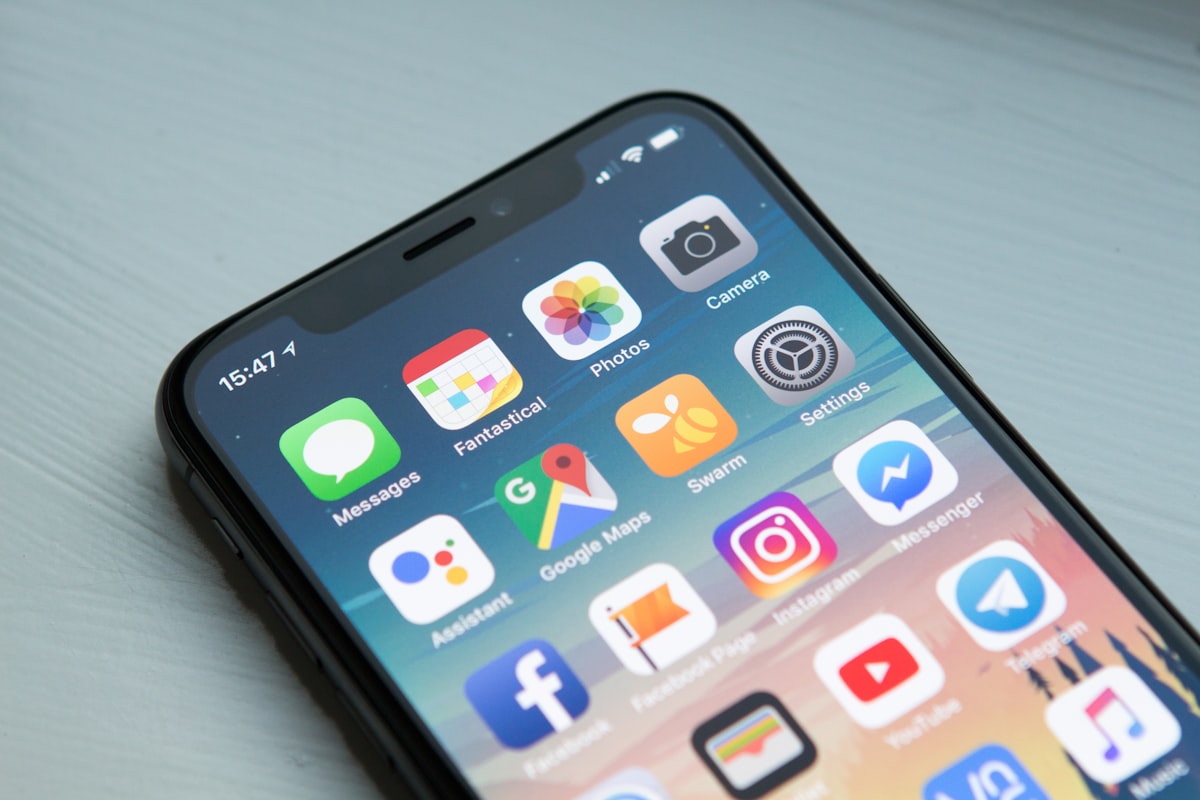
The typical flow from inserting a SIM to receiving service — ICCID, account creation, and network registration.

How visitors often approach U.S. connectivity — temporary lines, eSIM profiles, and compatibility checks before arrival.

An editorial description of Cricket Wireless — prepaid positioning, AT&T host network, and what SIM service typically implies.
American mobile service spans national carriers, prepaid brands, and MVNOs that share underlying networks. A SIM card — physical or embedded — is simply the credential that links your phone to one of those networks.
We publish descriptive guides so readers understand formats, compatibility, and activation flow. We do not sell kits, quote rate cards, or process payments.